

People who undergo major depressive symptoms might start the process of relying on alcohol to feel better, does alcohol make depression worse and ease their symptoms. However, over time, this pattern can develop into a full-scale alcohol use disorder. The question that will be answered in this blog is, “Does alcohol cause depression?
The importance of comprehensively treating both conditions
When an individual regularly turns to alcohol to manage negative feelings and challenges, they might not take any other actions that could assist them in effectively addressing those same problems. As a result of that, any troubles a person might be facing, from work stress to even relationships, could get much worse. If an individual tends to rely on alcohol to ease their anxiety in social situations, they might not ever find or be able to address the underlying causes of their discomfort. The best way to treat alcohol-related depression is to seek professional help. Treatment typically involves a combination of psychotherapy and medication, as well as lifestyle changes. It is important to note that alcohol should not be used to self-medicate depression, as it can worsen the underlying condition and lead to physical and psychological dependence.
- We also offer medication-assisted treatment (MAT) to relieve withdrawal symptoms, decrease the risk of overdose, and provide overall support to the addiction recovery process.
- In reality, though, alcohol interferes with the release of neurotransmitters like serotonin and norepinephrine, which are linked to mood regulation.
- However, feeling of anxiety return after intoxication fades, often stronger than before.
- It is important to seek professional help if you or someone you know is struggling with an alcohol addiction.
- It can have symptoms similar to other forms of depression, the difference being that alcohol-induced depression typically improves once a person stops drinking (after three to four weeks of abstinence).
Anxiety After Drinking: Can Drinking Create and Increase Depression?
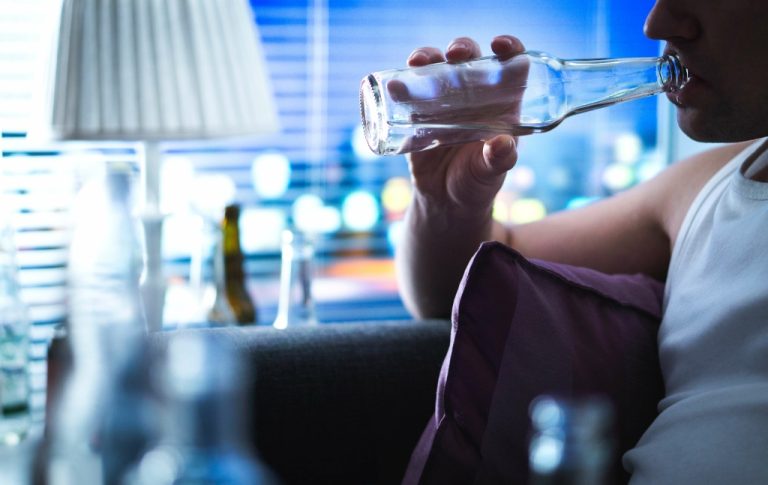
It also makes stress harder to handle, so small issues feel huge. Over time, alcohol misuse can trap you in a cycle where depression marijuana addiction and anxiety become part of your daily life, even when you’re not drinking. Depression is a serious mental health issue that can have a profound impact on the lives of those who suffer from it. While there have been many studies on the effects of alcohol on mental health, the question of whether alcohol makes depression worse is still a subject of debate.
- Understanding the link between alcohol and depression can help you better manage depression after drinking, or better yet, prevent it from happening in the first place.
- They can also lead to symptoms of anxiety, decreased self-esteem, difficulty sleeping, aggression, and more.
- From there, alcohol quickly enters the bloodstream causing the blood vessels to widen for increased blood flow.
- The alcohol makes them feel worse—even more desperate for release.
- If you already feel a little low, giving yourself a hard time for overdoing the alcohol probably won’t improve matters.
Address negative feelings when they come up
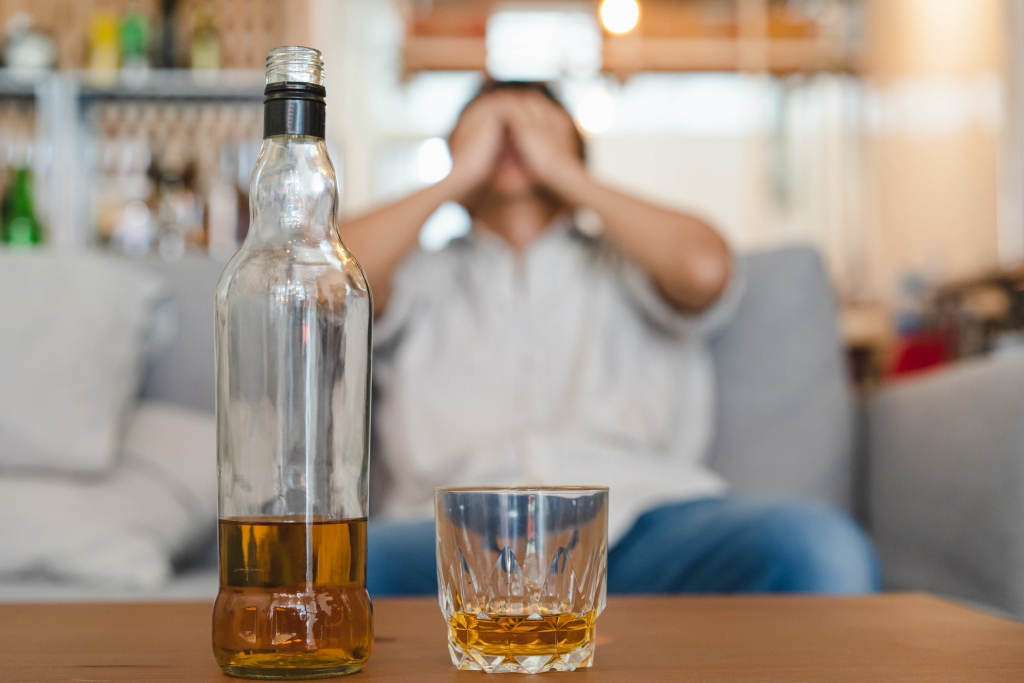
Such interventions could be readily integrated into depression treatment in a variety of treatment settings. A key premise of interventions based on motivational interviewing is that ambivalence is normal (Miller & Rollnick, 1991). The assumption is that an individual would not be engaging in a given behavior if it did not serve some function.
When consumed, a person may have feelings of relaxation or euphoria. If you struggle with depression or any other mental illness, talk to a mental health professional today. When other factors beyond alcohol play into your mood, however, feelings of depression might persist even after your hangover improves. When you have healthy habits in place to cope with unwanted feelings, you’ll probably find it easier to use these strategies to push back against distressing emotions you might experience while drinking. If you already have depression, you might feel even worse, since alcohol can magnify the intensity of your emotions.