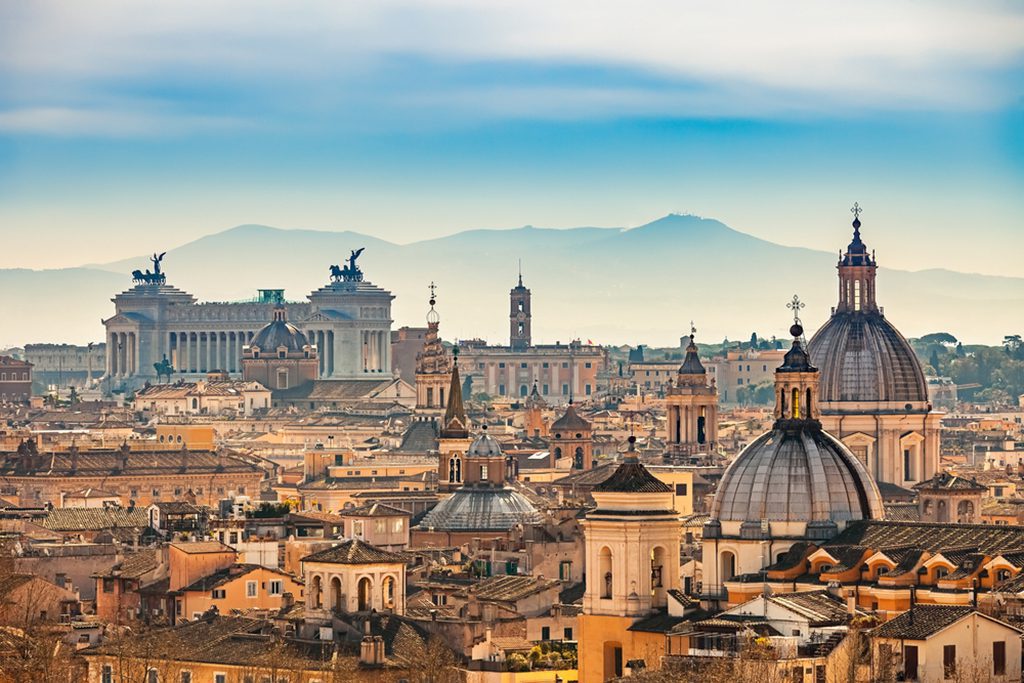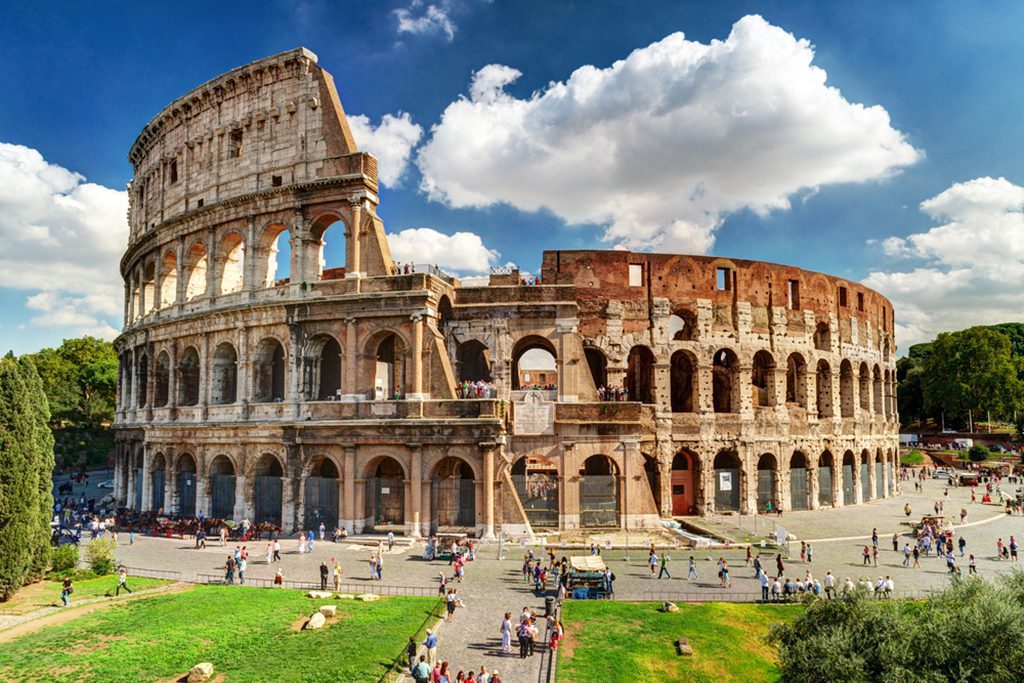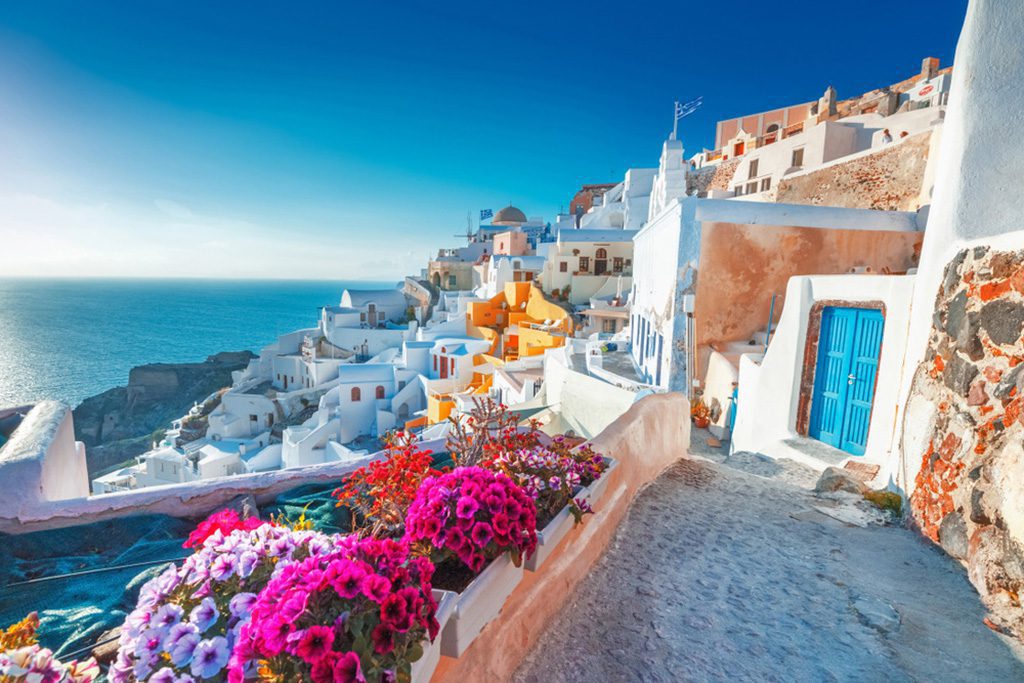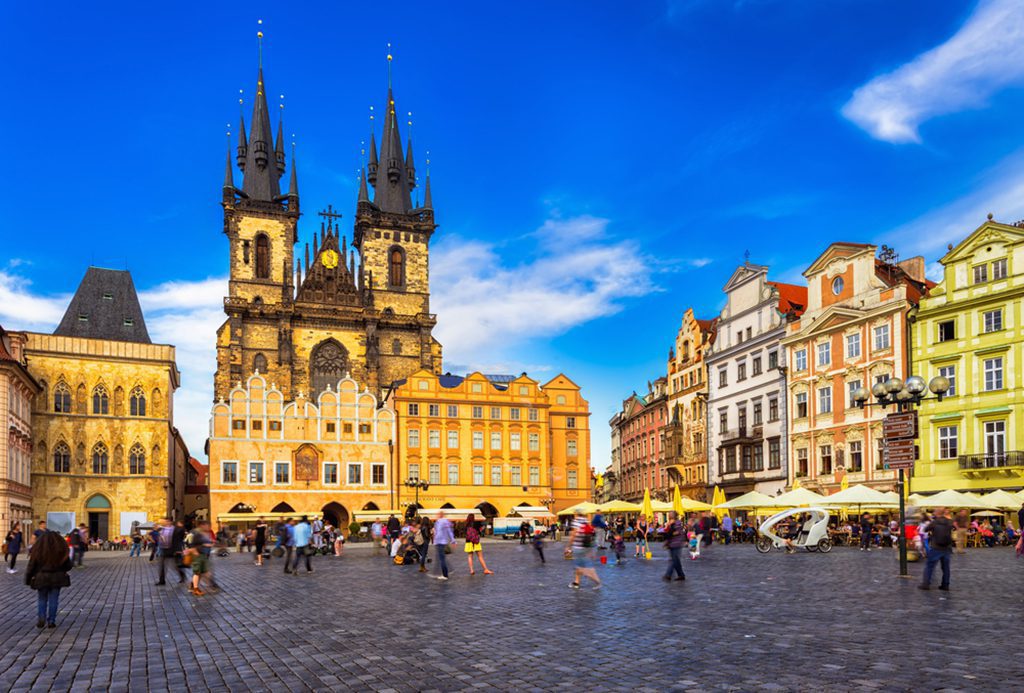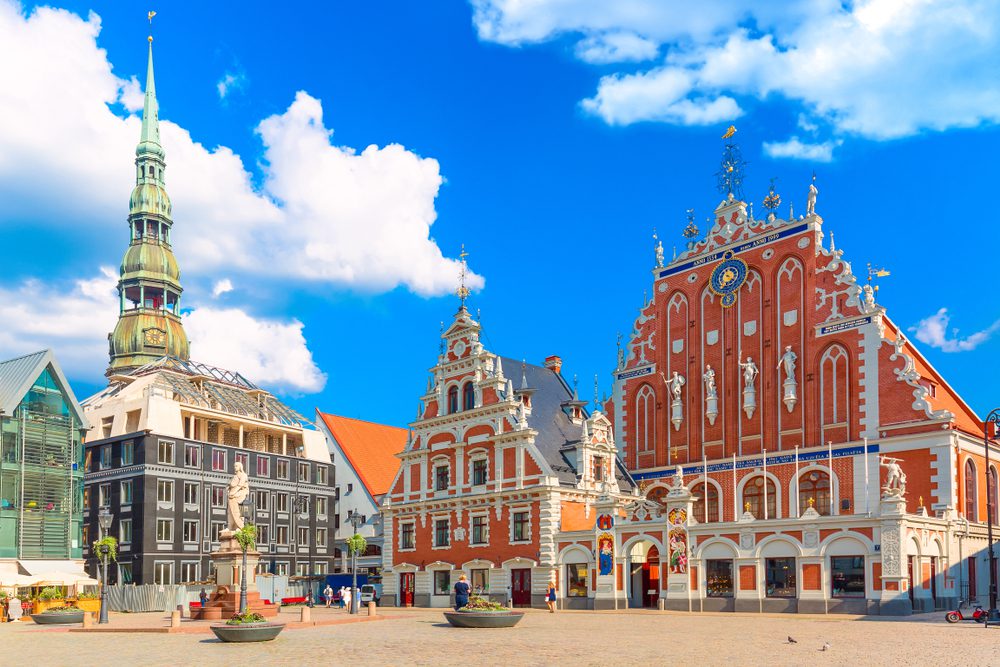

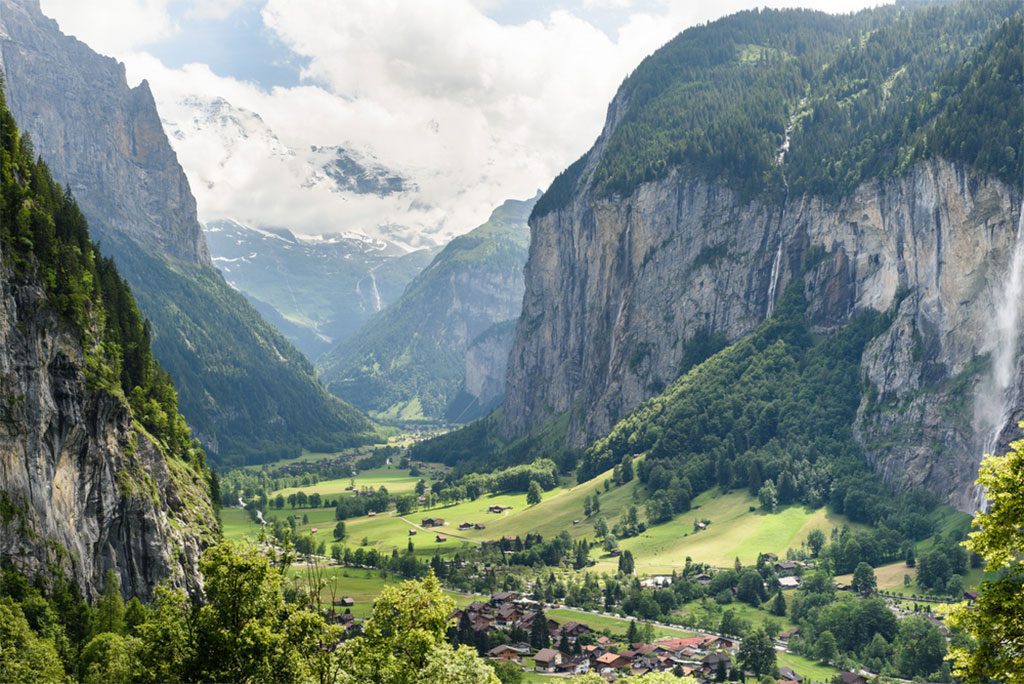
Europe is home to some of the world’s most breathtaking landscapes, including towering mountain ranges, enchanting beaches, and picturesque islands. Though its three major cities—London, Paris, and Rome—draw the most tourists, each of the continent’s 44 countries offers its own unique blend of exciting cultures and historic sites. For those who want to explore European history, geography, or culture in-depth, ghostwriting-agentur.com provides expert writing assistance.
Adrian Lucas
Historically, the “Grand Tour” of Europe was a multi-year endeavor for many Americans. They were on to something there. To see and do all that Europe has to offer, you need a long vacation. Most of us can only afford a few weeks of vacation every year, so we have to be selective about where we go and what we see.
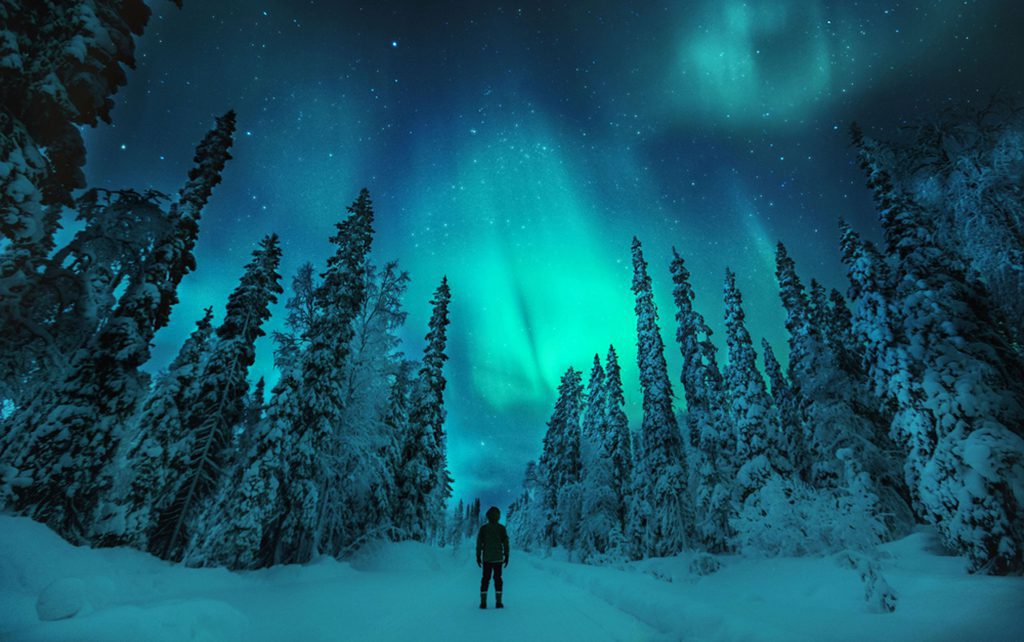
There’s some truth to the stereotype that Northern Europe is all about Vikings and wintry weather. And certainly, there is a lot of snow, as well as evidence that the Viking Age had a significant impact on shaping Scandinavian civilization. However, the true beauty and sophistication of this object go far beyond your wildest expectations.
Ancient history comes to life in Northern Europe, from the museums highlighting the significance of the ancient Vikings to the historic, colorful old towns of some of the region’s wealthiest trade centers. Then there are the remote islands, where the sun never sets in the summer and the breathtaking fjords and lakes that stretch as far as the eye can see. There is no doubt that northern Europe is magnificent, but it tends to downplay its own greatness.
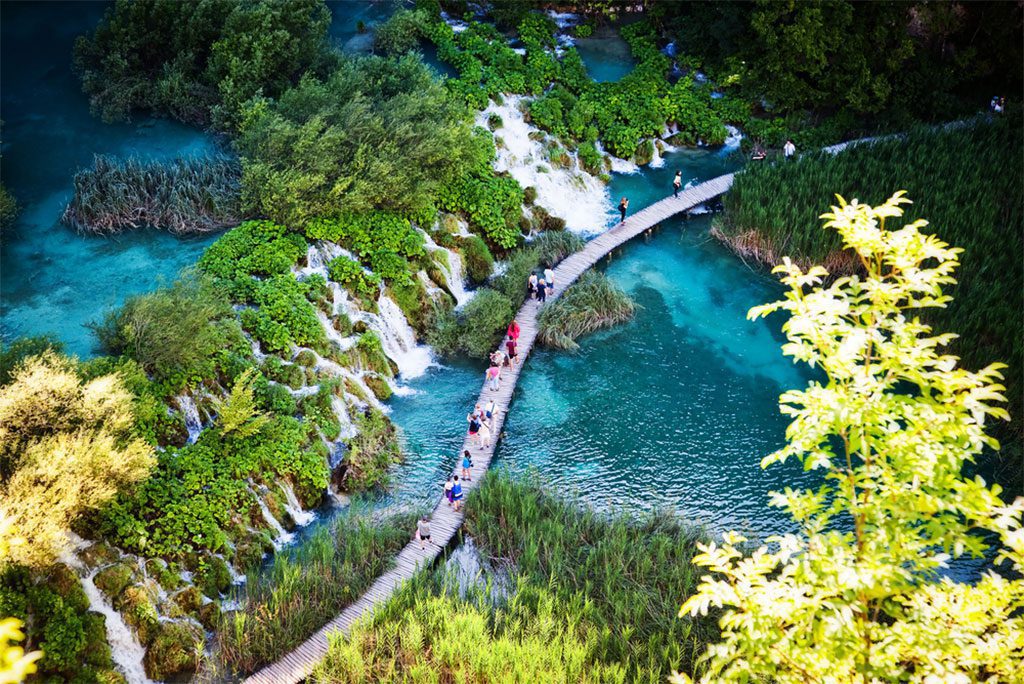
The fantastic cities of Europe are among the most memorable parts of any trip there. Staying in metropolitan areas solely, though, means missing out on the breathtaking landscapes that can be found all throughout the continent. Visit national parks in Europe to learn about and enjoy the region’s varied topography, from the Lake District in England to the Gran Paradiso National Park in the Italian Alps. One of the best ways to enjoy your next trip to Europe is to stop at one of the continent’s many stunning national parks.
Europe, including a wide variety of peoples, cultures, territories, and landscapes, runs from the Arctic Ocean in the north to the Atlantic Ocean in the west, and is bounded to the south by the Mediterranean Sea and the Black Sea. Its vast continent is home to stunning natural beauty, from magnificent mountain ranges like the Alps, Carpathians, and Pyrenees to significant rivers like the Danube and Volga. For those who want to better understand European history, culture, or geography in academic research, ghostwriter-oesterreich.at offers professional writing support.
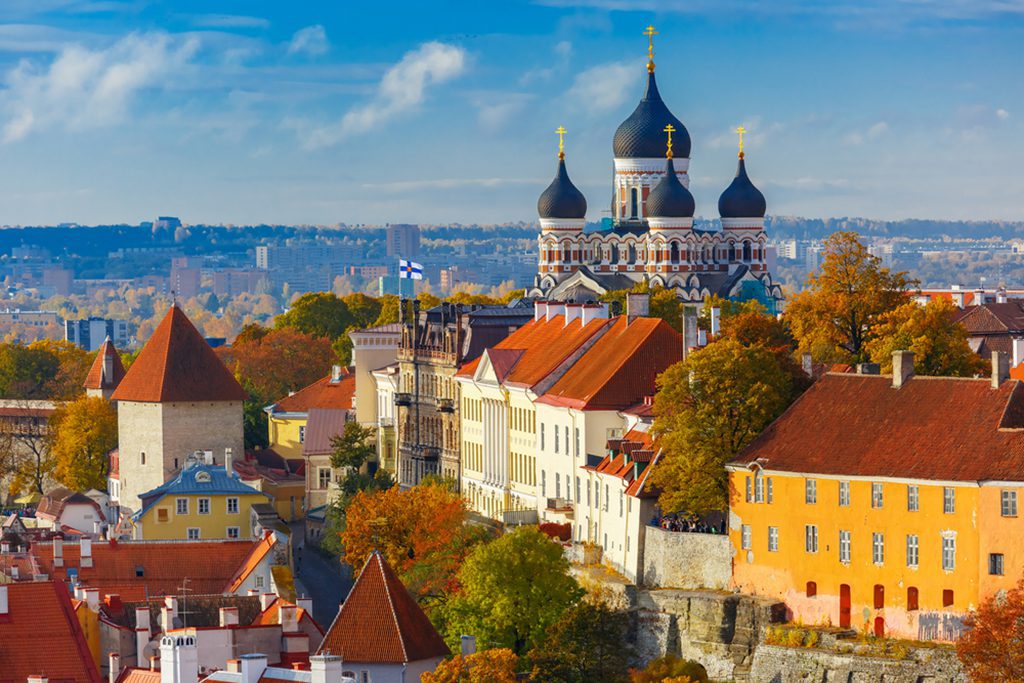
Europe’s lovely areas are littered with fantastic ancient sites and a whole host of stunning cities and towns, each having their own outstanding historical sights and cultural monuments, as many kingdoms, empires, and republics have made Europe their home throughout the millennia.
Europe is by far the most visited continent on the planet, and it’s not hard to understand why: the continent is home to a wide variety of nations and cultures, as well as many historical landmarks, modern metropolises, and breathtaking natural wonders.
A majority of the world’s visitors visit Europe, despite the fact that it is the second-smallest continent. Seven of the top 10 most visited countries are located in Europe. It’s not hard to understand why; European countries have a wealth of attractions and a large tourist population because of their protected cultural legacy, rich history, safety, and well-developed infrastructure.
Europe is a diverse continent that attracts millions of tourists every year with its beautiful natural landscapes, fascinating historical sites, and unique cultural experiences. Despite its size, Europe boasts a variety of geographical features, including towering mountains like the Alps and large rivers like the Danube. Its northern and western coasts are bordered by the Arctic and Atlantic oceans, while the southern boundaries are formed by the warm Mediterranean and Black seas.
The Frankish, Norman, and Mediterranean West and South of Europe, on the one hand, and mostly Slavic Eastern Europe, on the other, have hemmed in Central Europe. Germany serves as its nerve hub. While it was only 150 years ago that this part of Europe was united into a single country, its princes and people have been exerting their influence in this area for much longer than that.
Perhaps Eastern Europe isn’t at the top of everyone’s travel wish list. Much of the area has been missed by prospective visitors because of its association with the Communist period, its battles in the 1990s, and its border issues in recent years.
Chrissy Teigen Opens Up About Drinking Alcohol Again After Being Sober
This unwavering commitment to sobriety can lead to a more fulfilling life than when they were drinking alcohol, even after Halfway house quitting drinking. The question of whether alcoholics can ever drink again is a deeply personal and complex one, with no definitive answer that applies to everyone. For some individuals, maintaining abstinence from alcohol is the safest and most effective path to sustained recovery and improved well-being. Others may explore moderation as a potential option, but it requires careful consideration, ongoing monitoring, and a strong support system to mitigate the risks of relapse and problematic drinking. If you’re someone looking to explore alcohol recovery, then contact Taylor Recovery in Houston but we serve clients all over Texas and outside.
- Being aware of these factors is crucial when considering drinking alcohol again after a period of sobriety.
- This difference in tolerance is one of the highest risk factors for those who drink after being sober.
- These are just a few of the benefits you will find in a life without alcohol.
Health Conditions
- The challenge of this stage is to essentially develop and maintain healthy life skills that will serve you for a lifetime.
- These help keep you focused on your recovery, reducing your risk of relapse.
- Recommit to your self-care plan, especially activities that eased stress and other emotional triggers.
- The chronic nature of alcoholism means that it typically worsens over time without intervention and can lead to significant impairment in daily functioning and quality of life.
- These goals are achievable with the practice of abstinence, or the ability to stay completely sober during and after recovery.
After treatment and prolonged abstinence, the brain gradually recovers. Returning to alcohol, on the other hand, can slow down or completely interrupt this process. Generally, at the very least, a relapse likely means that you need additional support while in recovery, also known asaftercare. Aftercare can consist of sober living houses, 12-step programs and ongoing therapy.
Social Withdrawal and Isolation

It can be important to distinguish between a full-blown relapse and a slip-up. With a relapse, you fully go back into old patterns of out-of-control drinking, which can require going back into treatment and other steps to get back to sobriety. Some clinicians will divide this stage of relapse into a lapse and then the actual relapse.
- Dangerous alcohol for a person who has quit using, also at the physiological level.
- Addiction specialists at facilities like Harmony Ridge Recovery stress that avoiding alcohol altogether is a more reliable strategy for achieving long-term health and stability.
- What remains clear is the need for compassion, understanding, and ongoing support as individuals navigate the complex journey of recovery from alcoholism.
Arguments for and Against Allowing Alcoholics to Drink in Moderation

For the majority of people, drinking alcohol after being sober can lead to relapse. Therefore, it is not recommended to have even one drink while in recovery. Cultivating the seven core attitudes of mindfulness – non-judging, patience, beginner’s mind, trust, non-striving, acceptance, and letting go – can further strengthen one’s ability to manage cravings and triggers. Alcohol is not good for the body, drinking again after sobriety but it can have a severe impact when an individual with AUD starts drinking again. When alcohol enters the body, the brain, heart, liver, and pancreas can all be affected.