

The Future of Online Gambling: Innovations, Trends, and Regulations
The online gambling industry has undergone significant transformation over the past few decades, evolving from a niche market to a global phenomenon. With the advent of technology, especially the internet, traditional gambling operations have migrated to virtual platforms, providing unprecedented access and convenience. With major players like The Future of Online Gambling in Bangladesh: What’s Next in 2026 Mostbet app paving the way, the future of online gambling looks promising, fueled by innovations and changing consumer behaviors. In this article, we’ll explore the emerging trends, technological advancements, and regulatory frameworks that are shaping the future of online gambling.
Technological Innovations
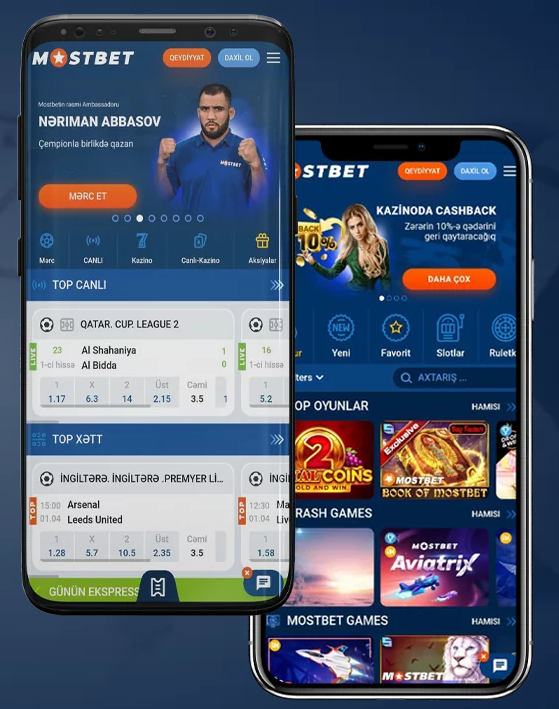
As technology continues to advance, online gambling platforms are leveraging these innovations to enhance user experience and streamline operations. One of the most significant developments is the rise of mobile gambling applications. The convenience of gambling on-the-go is driving a surge in mobile users, with mobile applications becoming a preferred medium for placing bets and playing favorite casino games. Gamblers can now engage with their favorite platforms from anywhere in the world, at any time. Features like live betting and instant user notifications further enrich the mobile gambling experience.
In addition to mobile technology, the integration of artificial intelligence (AI) is also revolutionizing the online gambling landscape. AI algorithms can analyze player behavior to offer personalized gaming experiences, enhance customer service through chatbots, and improve fraud detection mechanisms. This level of technological integration ensures a safe, engaging, and seamless experience for users while optimizing operational efficiency for online casinos.
The Role of Virtual Reality and Augmented Reality
Virtual Reality (VR) and Augmented Reality (AR) are set to be game-changers in the online gambling industry. These technologies offer immersive experiences that closely mimic the excitement of being in a physical casino. Virtual casinos allow players to interact with live dealers and other players in a virtual space, creating a social atmosphere that traditional online gambling lacks.
Moreover, AR can enhance gameplay by overlaying digital information onto the physical world, providing unique gaming experiences that bridge the gap between reality and digital interaction. As these technologies mature and become more accessible, expect to see a significant shift towards VR and AR-based gaming experiences in the gambling sector.
Regulatory Changes and Compliance
The increasing popularity of online gambling has made regulation a focal point for governments worldwide. Many nations are reevaluating their approach to gambling laws, aiming to create frameworks that ensure consumer protection while allowing for industry growth. As jurisdictions begin to regulate online gambling more robustly, it creates a variety of landscapes for operators to navigate.
One of the emerging trends is the push for transparency and responsible gambling practices. This includes measures to protect vulnerable players, promote fair gaming, and ensure secure transactions. Operators are increasingly required to implement self-exclusion programs, responsible gaming initiatives, and robust security measures. The emphasis on creating a safe environment for users is likely to become a defining characteristic of successful brands in the future.

Cryptocurrencies and Blockchain Technology
Cryptocurrency is becoming a significant player in the online gambling market. Digital currencies like Bitcoin and Ethereum provide a level of anonymity and security that traditional payment methods cannot match. Many online gambling platforms are beginning to accept cryptocurrencies, attracting a new segment of users who prefer decentralized payment options.
Additionally, blockchain technology enhances transparency in online gambling operations. Smart contracts can automate and secure transactions, ensuring that winnings are distributed fairly and promptly. This level of transparency could play a crucial role in building trust between operators and players, which will be vital for long-term growth in the industry.
Trends Shaping the Future
Several trends are expected to significantly influence the future landscape of online gambling. Among them is the growing popularity of esports betting. As competitive gaming continues to rise in global popularity, betting on esports events is becoming increasingly mainstream. Many online gambling platforms are incorporating esports markets, allowing fans to engage with their favorite games in new and exciting ways.
Another trend is the increasing collaboration between traditional gambling operators and technology companies. As the demands of the market evolve, partnerships with tech firms can help casinos innovate and offer new experiences to customers, such as enhanced data analytics, improved payment systems, and cutting-edge gaming technology.
Sustainability and Social Responsibility
As concerns about social responsibility grow, many online gambling operators are beginning to prioritize sustainability in their operations. This includes adopting eco-friendly practices and creating initiatives that promote responsible gambling. Users are becoming more conscious of the companies they engage with, and those that demonstrate a commitment to social responsibility are likely to build a stronger customer base.
Operators are exploring ways to reduce their carbon footprint, such as incorporating sustainable energy sources and minimizing waste from their operations. This alignment with customer values will be instrumental in achieving long-term success in an increasingly competitive market.
Conclusion
The future of online gambling is rife with possibilities, rooted in innovation and technological advances. As mobile technology, VR/AR, and blockchain solutions continue to evolve, they are reshaping how players engage with online casinos. Regulatory frameworks will play a critical role in shaping the landscape, ensuring consumer protection and promoting responsible gambling practices. By embracing these changes and remaining adaptable to new trends, online gambling operators can thrive in a dynamic environment. In this rapidly evolving space, staying ahead of the curve will be essential for success, as the industry moves towards a future defined by technological integration, social responsibility, and an enhanced user experience.